

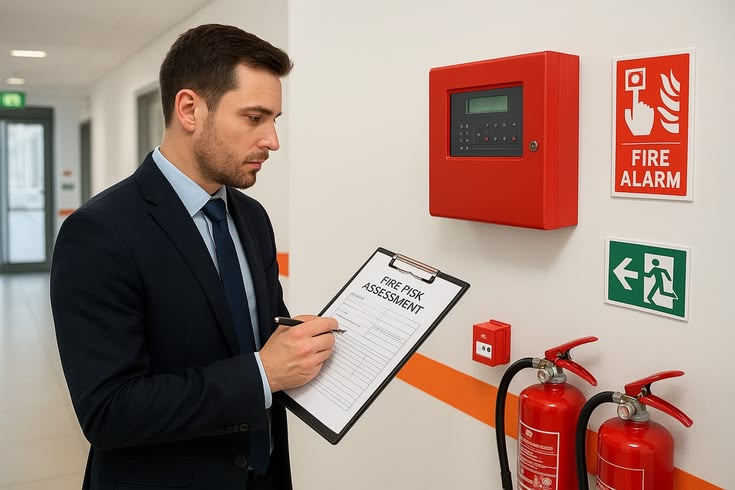
A repair crew arrives while parts of a building remain occupied. Tools begin moving through rooms that were previously undisturbed. Open surfaces expose areas that normally stay protected from sparks or heat. Temporary changes can also affect alarms or other safety measures. A trained fire watch services team can observe these conditions closely. Careful attention helps identify warning signs before they develop into serious property concerns.
Repair Areas Need Careful Observation
Repair activity can change the condition of a property very quickly. Workers may open walls or ceilings during maintenance tasks. Temporary equipment can also create unfamiliar surroundings. Regular observation helps identify visible problems before they become harder to manage.
A responsible observer should remain aware of nearby materials. Attention should extend beyond the immediate repair point. Open spaces deserve additional checks during active work. Clear communication should continue throughout the scheduled activity.
Preparing Before Work Begins
Good preparation starts before tools enter the repair area. The surrounding space should receive a basic safety check. Unneeded materials should remain away from possible heat sources. Access routes should stay clear for workers and emergency movement.
Temporary changes should also receive careful attention. Disabled alarms or altered protection require suitable monitoring. Workers should understand who receives urgent reports. Everyone should know the agreed response procedure before work starts.
Practical Checks for Repair Zones
Simple checks can reduce overlooked concerns during active maintenance. Each check should focus on conditions that may change during repairs. Regular observation also helps maintain orderly work surroundings.
- Inspect nearby surfaces before repair activity begins
- Remove loose materials from exposed work areas
- Check openings where sparks could travel
- Keep response equipment within suitable reach
- Observe unusual warmth around affected surfaces
- Watch concealed spaces near repair locations
- Keep access routes clear for quick movement
- Report concerning changes without unnecessary delay
Watching Areas Beyond Repairs
A repair point should never become the only area receiving attention. Heat or sparks may move through openings into nearby spaces. Stored materials may also sit close enough to become affected. A wider view helps the assigned observer notice changes outside the immediate work area.
Walls deserve attention when panels are removed. Ceiling spaces may also require additional observation. Storage rooms near active work should remain orderly. Adjacent rooms should receive suitable checks during important repair stages.
How Should Monitoring Continue After Repairs Finish?
Work may appear complete when tools stop operating. Some materials can still retain heat after activity ends. Hidden spaces may also require additional attention before normal conditions return. A suitable observation period gives personnel time to notice delayed warning signs.
Post work checks should cover the immediate area first. Nearby spaces should then receive a broader review. Unusual warmth or smoke should receive prompt attention. Any concern should follow the property’s established reporting process.
The assigned observer should not leave simply because visible work has stopped. Conditions can change after workers begin clearing equipment. A careful check supports orderly handover when repair duties are complete.
Common Questions About Repair Monitoring
- How long should observation continue after repair work stops?Monitoring should continue according to site procedures until remaining concerns are checked.
- What areas should receive attention during repair activity?Nearby surfaces, open spaces, storage areas, and concealed sections deserve suitable observation.
- What signs may indicate a developing property concern?Smoke, unusual warmth, burning smells, or glowing materials may require immediate attention.
- Who should receive urgent information about unsafe conditions?The assigned supervisor or designated responsible person should receive reports promptly.
- Why do concealed spaces require additional observation during repairs?Heat can move into hidden areas where visible warning signs appear later.
- What should happen when repair conditions change unexpectedly?Work should follow established reporting procedures while responsible personnel assess the changed conditions.
Steady Oversight Supports Safer Repairs
Property safety improves when ordinary checks receive consistent attention. Repair teams should prepare the area before work begins. Assigned personnel should remain alert during active tasks. Nearby spaces should receive suitable observation. Post work inspections should also receive proper attention.
No single check can address every condition. Reliable execution comes from repeating sensible actions throughout the repair period. Careful observation supports better decisions without adding unnecessary complexity. Consistency remains more useful than perfection when protecting property during changing repair conditions.
