

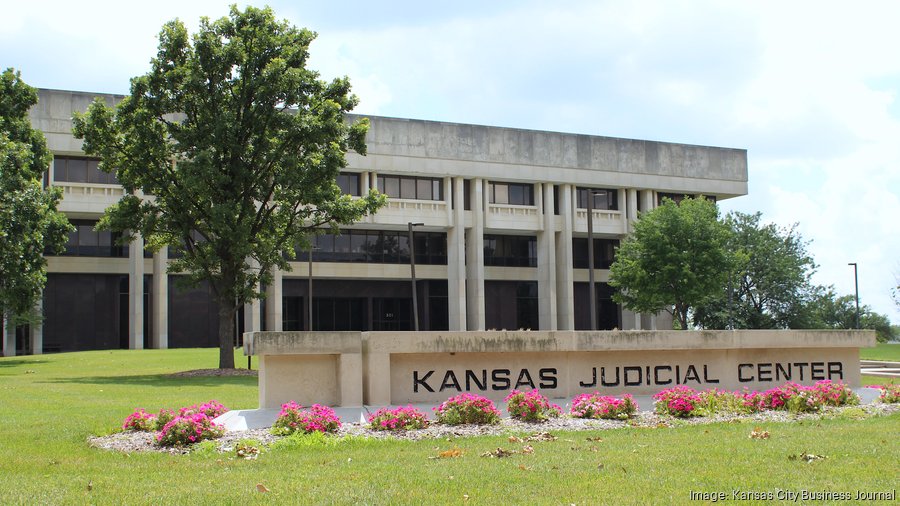
This is why it’s not your usual courtroom.
You expect regulations, pressure, and sometimes even dread when you walk into a typical courtroom. That is typical. Imagine something new now—still hard and organized, but with a human-like sense of purpose. The Kansas City Veterans Court strives to be just that. It is a component of the larger Kansas City Specialty Courts system, which prioritizes treatment over punishment. These courts acknowledge the basic fact that not all crimes begin with malice. Sometimes it begins with stress, trauma, or unresolved issues. In particular, veterans bear a specific burden. Some of the markings left by service are visible, but most are not. Therefore, the question arises: should the legal system handle or punish that?
Why there is a Veterans Court at all
Allow me to clarify. Many veterans struggle with problems like depression, substance abuse, or PTSD when they return home. These are not justifications. However, they are contributing elements. They may also result in legal issues if they are not handled. That isn’t always taken into consideration by the standard legal system. The act is the main focus. Veterans Court examines the root of the problem. Seeing the opening, Kansas City intervened. This program provides a route that combines healing and accountability through Kansas City Specialty Courts. Not soft justice, but purpose-driven, structured justice.
How the procedure actually operates
How does one get into Veterans Court, then? It doesn’t happen automatically. A screening procedure is in place. The court verifies:
- History of military duty
- The type of offense
- Level of need and risk
- Willingness to take part
The actual labor starts after acceptance. Participants adhere to a rigorous curriculum. Consider it a hybrid of guided recovery and probation. Typically, it consists of the following:
- Frequent check-ins with the court
- Testing for drugs and alcohol
- sessions of counseling or therapy
- Peer guidance from other veterans
- Support for life and career skills
Indeed, it is demanding. Structure is present. Rules exist. There are repercussions if you miss a step. The main distinction, though, is that the system is supporting you.
Support is just as important as structure.
To be honest, structure is insufficient on its own. You cannot expect someone to improve by just telling them to “do better.” Veterans Court combines support and structure. The true strength lies in that. Veteran mentors—people who have been there and are aware of the importance of service—are frequently paired with participants. Most people don’t realize how important that connection is. Additionally, opportunities for employment, housing assistance, and treatment programs are available. It goes beyond simply avoiding trouble. It’s about creating a secure life. Indeed, it’s not flawless. Some people have difficulty. Some people don’t succeed. However, a large number of people succeed, and this is what sustains the system.
The role of Beyond the Bench KC
Beyond the Bench KC can help in this situation. The court is not run by them. Rather, they endorse its goals. Their objective is straightforward: increase community support and awareness of Specialty Courts. They think that rather than focusing only on results, justice should address the underlying problems. They assist the public in understanding the importance of initiatives like Veterans Court through collaborations, education, and outreach. To be honest, that is more important than most people realize. Because initiatives like this fail in the absence of public backing.
The larger picture: Specialty Courts in Kansas City
One component of a bigger system is Veterans Court. Programs for drug offenses, mental health problems, and other issues are offered by the Kansas City Specialty Courts. They all focus on different needs, but they all have the same concept: Treat the root of the problem rather than just the offense. It’s a change in perspective. Perhaps a quiet one. But strong.
difficulties—because things aren’t always easy
For a moment, let’s be honest. This technique is not a miracle cure. Time, effort, and integrity are required of participants. That is challenging. Relapse occurs. There are setbacks. The public is likewise skeptical. Some believe that this strategy is overly forgiving. The problem is that accountability is still in place. Responsibility is not eliminated by Veterans Court. It changes its shape. It asks, “How do we prevent this from happening again?” rather than, “How do we punish this?” It’s a more difficult question. However, it results in better responses.
The true definition of success
Here, success goes beyond simply finishing the course. Finding stability is the goal. It’s keeping a job. restoring connections. maintaining sobriety. getting a better night’s sleep. Little victories accumulated over time. Additionally, graduation is more than just a legal milestone for participants. It’s private. What do you know? Such a shift takes time to occur. However, when it does occur, it persists.
FAQs Regarding Veterans Court in Kansas City
- What is Veterans Court’s primary objective?
The major objective is to lessen recurrent offenses by treating underlying problems like addiction or trauma. It helps veterans establish stable lives while maintaining accountability by combining therapy and assistance with legal oversight.
- Who is eligible for Kansas City Veterans Court?
Military service, the nature of the offense, and personal needs determine eligibility. Offenders who are nonviolent and willing to take part in treatment programs are frequently taken into consideration.
- Is Veterans Court less complicated than regular court?
Not at all. It’s not simpler; it’s different. Participants must finish treatment programs, adhere to stringent guidelines, and show up for regular check-ins. Compared to regular probation, the task may be more taxing.
- What occurs if a person doesn’t pass the program?
A participant may be disciplined or kicked out of the program if they don’t fulfill the requirements. For sentencing, their case then goes back to the conventional court system.
- How is Veterans Court supported by Beyond the Bench KC?
Beyond the Bench KC encourages community support and awareness of Specialty Courts. They promote outreach initiatives, aid in public education, and fortify the framework that enables these courts to function efficiently.
