

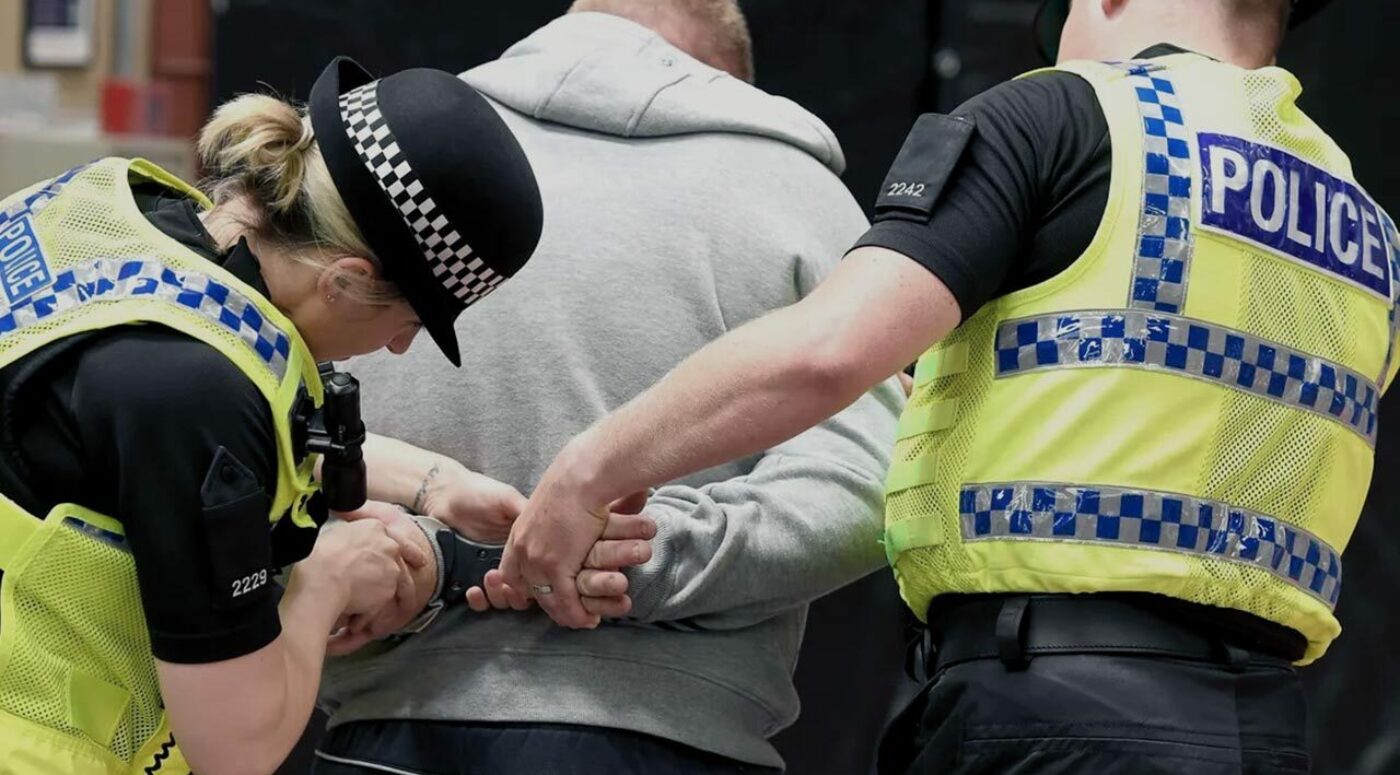
Being asked to attend a police interview can be stressful and confusing, whether you’re a suspect, witness, or supporting someone who is involved in a criminal matter. Knowing how to navigate this process correctly is vital to protect your legal rights. Nardi Lawyers recommends understanding your options before speaking with police, as what happens during an interview can significantly impact the outcome of any potential criminal case.
Key Takeaways
- You have the right to remain silent and seek legal advice before and during a police interview
- Understand the difference between voluntary attendance and when police can compel you to attend
- Keep answers brief and factual, and don’t sign documents without legal review
- Special protections exist for children, Indigenous people, and other vulnerable persons
- Proper preparation and legal representation can protect your interests during this critical process
What to know before a police interview
Voluntary vs required attendance
Police interviews happen under two main circumstances: voluntary attendance or required attendance. If police haven’t formally arrested you or issued a summons or warrant, the interview is typically voluntary. This means you can decline to participate and seek legal advice first – a right many people don’t realise they have.
When police can legally compel your attendance (through arrest, summons, or warrant), different rules apply, but your right to legal representation remains intact.
The police caution in Australian jurisdictions
Before questioning begins, police must issue a caution (sometimes called a Miranda warning in popular culture). This caution typically includes:
- You have the right to remain silent
- Anything you say may be recorded and used as evidence
- You are not obliged to answer questions unless required by law
The exact wording varies between Australian states and territories, but the fundamental principle remains the same. Police will record that they’ve given this caution.
When to call a lawyer
Ideally, contact a lawyer as soon as you know police wish to interview you – not after you’ve already spoken with them. Early legal advice allows you to:
– Understand whether you should attend at all if voluntary
– Arrange for legal representation during the interview
– Prepare properly for the types of questions you might face
How to prepare for the interview
Practical steps before attending
Proper preparation can make a significant difference. Consider these steps:
– Gather identification documents
– Write down a timeline of relevant events (for your lawyer, not police)
– Inform a trusted friend or family member about where you’ll be and when
– Rest and eat properly – interviews can be lengthy and stressful
Health, interpreter and support needs
If English isn’t your first language, request an interpreter. This isn’t an admission of guilt but ensures you fully understand everything that happens. Similarly, if you have health needs or disabilities, inform police in advance so appropriate accommodations can be made.
For young people or vulnerable adults, a support person should attend. This is a legal requirement in many cases.
Agreeing conditions for attendance
If attending voluntarily, you can negotiate certain conditions:
– Time to consult with your lawyer before and during questioning
– Regular breaks
– Recording of the entire process, not just selected parts
What happens during the interview
Who will be present
Typically, two police officers conduct the interview – one asks questions while another takes notes. If you’ve arranged it, your legal representative will be present. For vulnerable persons, a support person may also attend.
Recording and evidence collection
Modern police interviews are typically video and audio recorded. These recordings become evidence and can be used in court proceedings. The interview room will contain visible recording equipment.
“A properly conducted police interview should be transparent and fair, with clear explanations of process and rights. Any deviation from proper procedure could affect the admissibility of evidence gathered.” – Nardi Lawyers
How to answer questions
When answering police questions:
– Give short, factual responses to questions you choose to answer
– Don’t volunteer additional information beyond what was asked
– If unsure, state that you need to consult your lawyer
– Ask for clarification if you don’t understand a question
– Request breaks if you feel overwhelmed or need to consult your lawyer
Requests to sign documents or give consent
Police may ask you to sign various documents during or after an interview. Without legal advice, it’s generally best to politely decline. This includes written statements, consent forms, or any document that may waive your rights.
Rights and legal protections during interviews
Right to remain silent and its limits
Your right to silence is fundamental in Australian law. However, certain limited circumstances exist where refusing to answer can have consequences (such as failure to provide name and address when lawfully requested). A lawyer can advise on these specific situations.
Right to legal representation
You can request a lawyer at any point during an interview. If you don’t have one arranged, you can ask police to delay questioning until legal representation is available. Police should facilitate reasonable requests to contact a lawyer.
Rights for children and vulnerable people
Children and vulnerable adults have additional protections. These include:
– Mandatory presence of a parent, guardian, or independent support person
– Simplified language and explanations
– More frequent breaks
– Special caution requirements
Making a complaint if rights are breached
If you believe your rights were violated during an interview, document everything as soon as possible. Complaints can be made to police oversight bodies, legal services commissions, or ombudsman offices, depending on your state or territory.
After the interview
What happens to statements and recordings
Interview materials become part of the police investigation file. If charges result, these materials will form part of the prosecution case. Your lawyer can request access to these recordings through proper legal channels.
Possible immediate outcomes
After an interview, several outcomes are possible:
– No further action
– Continued investigation without immediate charge
– Formal charges with bail conditions
– Referral to prosecution
– In serious cases, remand in custody pending a bail hearing
Common mistakes to avoid
Speaking without legal advice
Many people believe cooperating fully without a lawyer shows innocence. However, without understanding the legal implications, even innocent statements can be problematic.
Volunteering unasked-for details
Answer only what’s asked, not what you think police want to know. Extra information often creates new lines of questioning.
Inconsistent versions or changing your story
Inconsistencies, even minor ones, can damage credibility. If you’re unsure about details, acknowledge this rather than guessing.
Posting about the matter on social media
Social media posts about your case can be discovered and used as evidence. They may contradict statements you’ve made to police.
How a criminal lawyer can assist
Advice before attending and during the interview
A criminal lawyer provides guidance on whether to attend a voluntary interview and what questions you should or shouldn’t answer. They can explain legal consequences of different approaches.
Representation and negotiation
During the interview, a lawyer ensures proper procedure is followed, advises when you should or shouldn’t answer, and requests breaks when needed. After the interview, they can begin negotiating with prosecutors or planning a defence strategy.
Legal aid and private lawyer options
Legal aid services may be available depending on your financial circumstances and the seriousness of the matter. Each state has different eligibility requirements. If you don’t qualify for legal aid, private criminal lawyers offer various fee structures.
Conclusion
Handling a police interview properly can significantly impact the outcome of a criminal matter. By understanding your rights, preparing adequately, and seeking timely legal advice, you can protect your interests during this challenging process. Remember that what happens during an interview can affect the entire course of any resulting legal proceedings.
For professional guidance on criminal matters and expert representation during police interviews, Nardi Lawyers provides experienced advice tailored to your specific situation. Don’t face the legal system alone – getting proper legal support from the beginning can make all the difference.
