

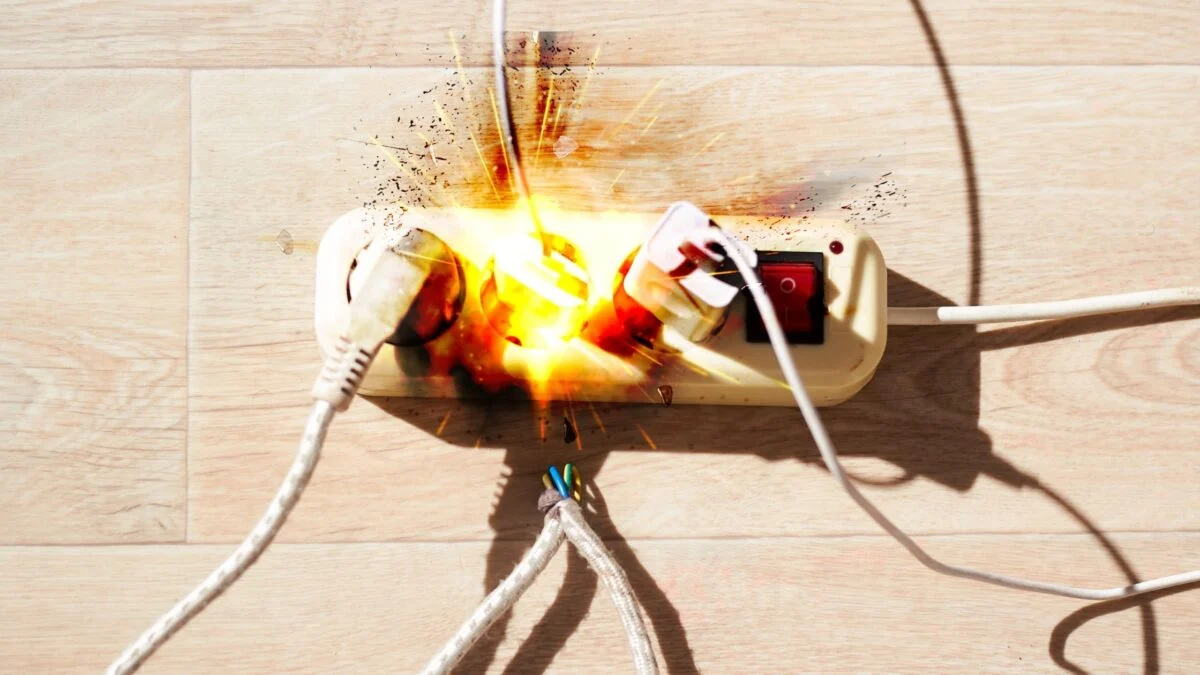
When it comes to older apartments in South Yarra, electrical systems often hide dangers behind walls and ceilings. These charming heritage buildings might look stunning with their period features, but their electrical systems can be ticking time bombs if not properly maintained. Whether you own, rent, or manage an older apartment, understanding these hidden hazards is essential for safety. If you’re concerned about potential issues, professional electrical services in South Yarra can help identify and address these problems before they become dangerous.
Key Takeaways
- Older South Yarra apartments often contain outdated electrical systems that don’t meet modern safety standards
- Common hazards include degraded wiring, outdated switchboards, poor earthing, and overloaded circuits
- Warning signs include flickering lights, burning smells, discoloured outlets, and frequently tripping breakers
- Victorian regulations require specific safety standards that many older apartments don’t meet
- Regular professional inspections are essential for identifying and addressing electrical hazards
Why Older South Yarra Apartments Are At Higher Risk
Age and Original Wiring Standards
Many South Yarra apartments built before the 1980s were wired using methods and materials that are now considered unsafe. Original wiring often featured rubber or fabric insulation that degrades over time. Older properties might have bakelite fixtures, outdated cotton-wrapped wiring, or even dangerous aluminium wiring that was briefly used in the 1960s and 1970s.
Past Renovations and Amateur Electrical Work
Decades of DIY modifications and undocumented repairs have left many older apartments with a patchwork of electrical systems. Amateur work rarely meets safety standards and often creates dangerous junction points where old and new wiring connect improperly.
Building Fabric and Moisture Issues
Heritage buildings often suffer from rising damp, leaky roofs, or poor waterproofing. When moisture infiltrates walls and ceilings containing electrical wiring, it accelerates corrosion and insulation breakdown, creating serious fire and shock hazards.
High-Density Living and Circuit Loads
When these apartments were built, households typically used far fewer electrical appliances. Today’s residents might run air conditioners, computers, microwaves, and multiple chargers—placing demands on circuits that were never designed for such loads.
Most Common Electrical Hazards Found in Older Apartments
Degraded or Frayed Wiring Insulation
Over decades, wire insulation becomes brittle and cracks, especially in roof spaces where heat accelerates deterioration. Exposed conductors can contact metal surfaces or other wires, creating short circuits and fire risks.
Outdated Switchboards and Fuse Boxes
Many older apartments still have ceramic fuses or first-generation circuit breakers without modern safety features. These outdated switchboards lack residual current devices (RCDs) that protect against electric shock and may not trip properly during faults.
Poor Earthing and Bonding
Inadequate earthing was common in older installations. Without proper earthing, faulty appliances won’t trip protection devices, leaving metal parts potentially live and dangerous.
“The most dangerous electrical hazards are often invisible until something goes wrong. In older South Yarra apartments, we commonly find degraded wiring hidden in ceilings and walls that’s been quietly deteriorating for decades.” – Carda Electrics
Overloaded Power Points and Unsafe Extension Lead Use
Limited original power points lead residents to use double adapters and power boards, creating overloaded circuits and potential fire hazards. In compact apartments, these overloads are particularly dangerous as evacuation options are limited.
Faulty Light Fittings and Ceiling Rose Wiring
Original ceiling roses and pendant lights often have deteriorated wiring connections. Heat from light bulbs accelerates insulation breakdown, creating fire risks directly above living spaces.
Corrosion and Water-Damaged Connections
Bathroom, kitchen and laundry areas in older apartments frequently show signs of water ingress near electrical fixtures. Corroded connections increase resistance, generate heat, and create fire hazards.
Incompatible or Damaged Appliances
Old or damaged appliances with worn cords and plugs create additional risks when connected to already compromised wiring systems.
How to Spot Electrical Hazards
Visual Signs
Look for these warning indicators:
- Discoloured or scorched power points and switches
- Cracked, broken or loose outlet plates
- Visible bare wires or damaged insulation
- Old-style round bakelite fixtures
- Rust or corrosion on switchboard components
- Sagging or damaged ceiling roses around light fittings
Functional Signs
Pay attention to how your electrical system behaves. Flickering lights, breakers that trip frequently, or appliances that don’t run at full power might indicate underlying wiring problems. Dimming lights when major appliances start up suggests inadequate circuit capacity.
Sensory Warning Signs
Trust your senses. Burning odours, especially from walls or ceilings, require immediate attention. Buzzing sounds from outlets or switches indicate arcing electricity. Any tingling sensation when touching appliances or metal fixtures suggests improper earthing.
Environmental Indicators
Watch for water stains on ceilings or walls near electrical fixtures. Mould growth near power points may indicate moisture problems affecting hidden wiring.
Practical Steps for Owners and Tenants
If you suspect electrical hazards in your South Yarra apartment, don’t wait for problems to escalate. Start with a professional inspection from a licensed electrician who specialises in older buildings. They can identify high-priority issues and develop a staged approach to repairs.
For immediate safety, avoid overloading circuits with multiple high-draw appliances. Replace damaged cords and avoid using double adapters. Keep switchboards accessible and know how to turn off power in emergencies.
Document all electrical work with certificates of compliance, which are required under Victorian regulations. These records protect you legally and provide important information for future owners or tenants.
Legal and Safety Standards in Victoria
Victorian electrical safety regulations have evolved significantly since many South Yarra apartments were built. Current standards require RCD protection for all power and lighting circuits in residential properties. Switchboards must meet modern specifications with circuit breakers rather than fuses.
Under Victorian law, all electrical work must be performed by licensed electricians who provide certificates of electrical safety. For rental properties, landlords have legal obligations to maintain safe electrical systems, while tenants should promptly report any concerns.
Body corporate entities for apartment buildings should have regular electrical inspections of common areas and shared infrastructure to maintain compliance and safety.
Cost Considerations
Addressing electrical hazards in older apartments ranges from minor repairs to complete rewiring. Basic safety inspections typically cost $150-300, while switchboard upgrades range from $800-2,500 depending on complexity.
Complete rewiring is more substantial, potentially costing $5,000-15,000 for a typical apartment, depending on size, access difficulties, and whether walls and ceilings need repair afterward.
These costs should be weighed against potential insurance issues—many insurers won’t cover damage caused by faulty wiring or may void policies if electrical systems don’t meet current standards.
When to Call an Electrician Immediately
Don’t hesitate to call an emergency electrician if you notice:
- Sparks from outlets, switches or appliances
- Burning smells from electrical fixtures
- Smoke from walls, ceilings or electrical items
- Electric shocks, even mild ones, from any fixture
- Circuit breakers that trip repeatedly after resetting
- Power outages affecting only your apartment
While waiting for professional help, turn off power at the switchboard to affected areas and avoid using suspect outlets or appliances.
Final Recommendations
Electrical safety in older South Yarra apartments requires proactive attention. Start with a professional inspection to identify potential hazards before they cause harm. Prioritise switchboard upgrades and RCD installation as these provide immediate safety improvements.
Keep detailed records of all electrical work and regularly review the condition of visible components like power points and switches. Most importantly, never attempt DIY electrical repairs—always use licensed professionals.
For comprehensive electrical safety assessments and repairs tailored to older South Yarra apartments, Carda Electrics provides specialised services with an understanding of both heritage considerations and modern safety requirements.
